
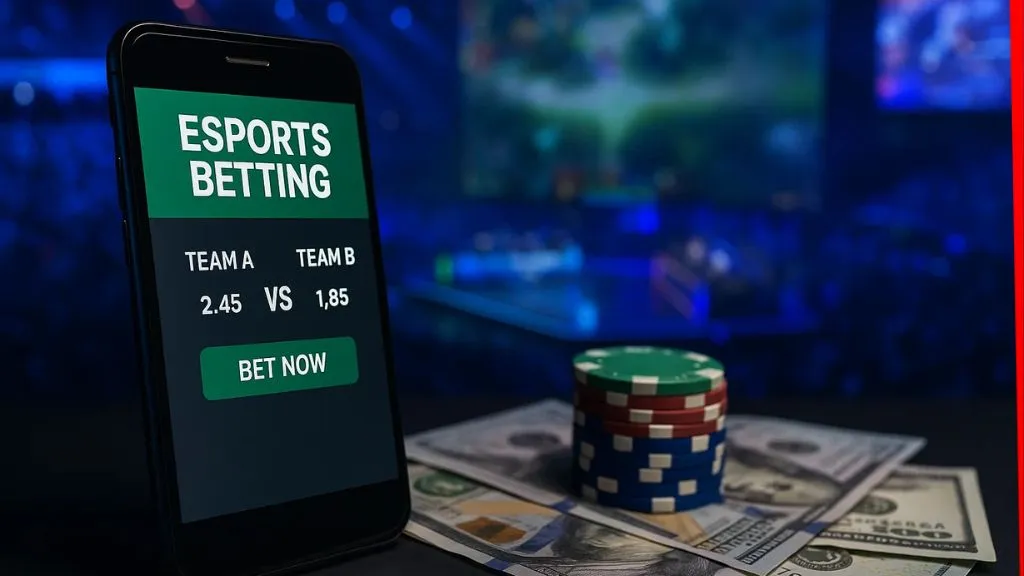
As esports explodes in popularity, the lines between gaming and gambling are blurring for young adults. Between live-streamed tournaments, in-game purchases, and influencer endorsements, it’s easy to get confused about what’s just fun and what’s a financial risk. Our team at Square Youth Cafe is here to cut through the noise, providing clear information on the legal landscape, the very real dangers, and how to protect yourself and your passion for gaming.
The UK Legal Landscape for Esports Betting
Understanding the rules is the first step to staying safe. In the United Kingdom, all commercial gambling is regulated by the UK Gambling Commission (UKGC). This includes betting on esports. The law is very clear on one major point: you must be 18 or over to place any bet. However, what you can bet on, and where, has some important distinctions.
Licensed Operators and Age Gating
Legal esports betting for adults takes place through UKGC-licensed operators like Bet365, Betway, or Paddy Power. These sites are required to have robust age-verification checks to prevent underage gambling. They offer markets on major competitive titles you’ll recognise, such as:
- Counter-Strike 2
- Dota 2
- League of Legends
Betting here means you have legal protections, including access to safer gambling tools and a formal complaints process if something goes wrong.
The Murky World of Skin Betting Sites
Outside of these licensed sites exists a riskier, grey market. This involves betting with in-game virtual items, like weapon ‘skins’ in Counter-Strike 2, on unregulated third-party websites. These platforms often operate outside UK law, sidestepping age checks and responsible gambling safeguards. While you might use skins you’ve won or bought, converting them into a de facto currency for betting mirrors real-money gambling and carries significant risk, with little to no recourse if the site disappears with your assets.
Why Esports Betting Appeals to Young Adults
The attraction isn’t random. Esports betting is designed to resonate deeply with gaming culture, making the jump from player to punter feel like a natural, and even skilled, progression.
From Player to Punter: The Cultural Link
For a generation that has grown up gaming, placing a bet on a CS2 match can feel like an extension of their own expertise and fandom. There’s a perception that deep knowledge of a game’s meta, teams, and players can give you an edge—that betting is a skill-based activity rather than one of pure chance. This fusion of passion and potential profit is a powerful hook.
The Role of Streamers and Influencers
Platforms like Twitch and YouTube are ground zero for this convergence. Popular streamers may have sponsorship deals with betting companies, featuring on-screen odds or promotional codes. When a trusted influencer normalises betting as part of the viewing experience, it can subconsciously frame gambling as a core, exciting component of esports culture for their often young audience.
The Real Risks Beyond Losing Money
The danger of esports betting isn’t just about an empty wallet. Its very structure and context create unique threats to young adults’ wellbeing and habits.
Normalisation and Habit Formation
Unlike a weekly football coupon, top-tier esports has a near-constant calendar of global events. This creates a cycle of almost endless opportunity to bet, which can dangerously normalise frequent gambling. The fast-paced, instant-gratification nature of both gaming and betting can quickly forge hard-to-break habits, where placing a wager becomes a routine part of watching a tournament.
Mental Health and Gateway Concerns
The emotional rollercoaster of betting—the high of a win and the frustration of a loss—can exacerbate issues like anxiety and low mood. Crucially, developing a betting habit around esports can act as a gateway to other, potentially riskier, forms of gambling. There’s also a concerning loop where losses from betting might drive someone to try and ‘win back’ value by spending more on the game itself, such as buying loot boxes to get rare items to sell or use.
Loot Boxes: The Gambling-Like Mechanic in Plain Sight
You don’t need to visit a betting site to encounter gambling-like mechanics. They are built into many popular games. Loot boxes—virtual treasure chests containing random items—are a prime example. Found in games from FIFA Ultimate Team to Overwatch 2, they use the same psychological ‘near-miss’ and variable reward principles as a slot machine.
How Loot Boxes Work on Your Brain
You pay real money (or in-game currency you’ve bought) for a chance at a rare, desirable item. The thrill of the unknown and the potential for a big ‘win’ triggers a dopamine release, encouraging repeat purchases. This can lead to spending far more than intended, chasing a specific item that is never guaranteed.
The UK’s Regulatory Stance
Despite these parallels, loot boxes are not currently legally classified as gambling in the UK, unless the items won can be cashed out for real money. However, the issue is under intense scrutiny. The UK government’s Department for Culture, Media and Sport (DCMS) has conducted a detailed investigation into loot boxes, leading to new industry-led guidelines that include clearer spending controls and disclosure of odds. The debate on stronger, legal regulation continues.
How to Stay Informed and Set Boundaries
Knowledge and practical tools are your best defence. Whether you’re of legal age or supporting friends who are, taking proactive steps is key to responsible engagement.
Using Official Safer Gambling Tools
If you choose to bet on licensed sites, use the tools they provide. This isn’t a sign of weakness; it’s a sign of control. Key resources include:
- GamStop: This is the UK’s national online self-exclusion scheme. A free, single registration will exclude you from all UKGC-licensed gambling sites for a chosen period.
- Deposit Limits: Set strict, daily, weekly, or monthly limits on how much you can deposit directly within your account settings.
- Reality Checks: Opt-in for session reminders that tell you how long you’ve been playing.
Critical Consumption of Advertising
Betting ads are pervasive, especially during sports broadcasts. Learn to view them critically. Remember that ads are designed to highlight wins and excitement, never the long-term statistical probability of loss or the risks of harm. Note that even major sports are re-evaluating this relationship; for instance, the Premier League has a front-of-shirt gambling sponsor ban coming into effect in 2026. Apply the same critical thinking to esports sponsorships and streamer promotions.
Enjoying the incredible skill and community of esports doesn’t require a financial stake. True fandom is found in celebrating gameplay, supporting teams, and connecting with others—not in taking a risky bet. By staying informed, questioning what you see, and using the safeguards available, you can ensure your gaming passion remains a positive and empowering part of your life.